
Selling Phoenix · with Jeff Sutherlin
What you’d actually keep from selling your Phoenix home — and what it buys you next.
Empty means we’re using that median.
Your payoff, not your balance — it includes interest to the closing date. Owned free and clear? Put 0.
Here are resources to research potential capital gains on your home:
PLEASE SEE A TAX PROFESSIONAL
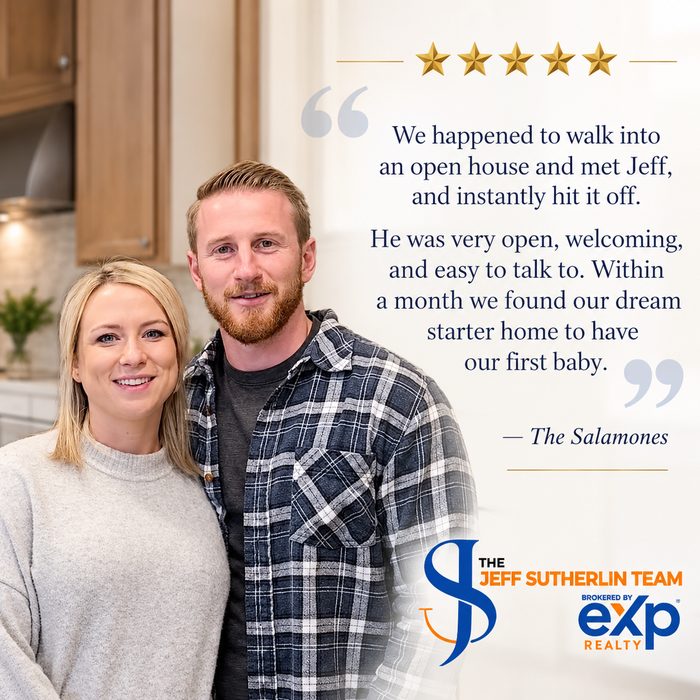
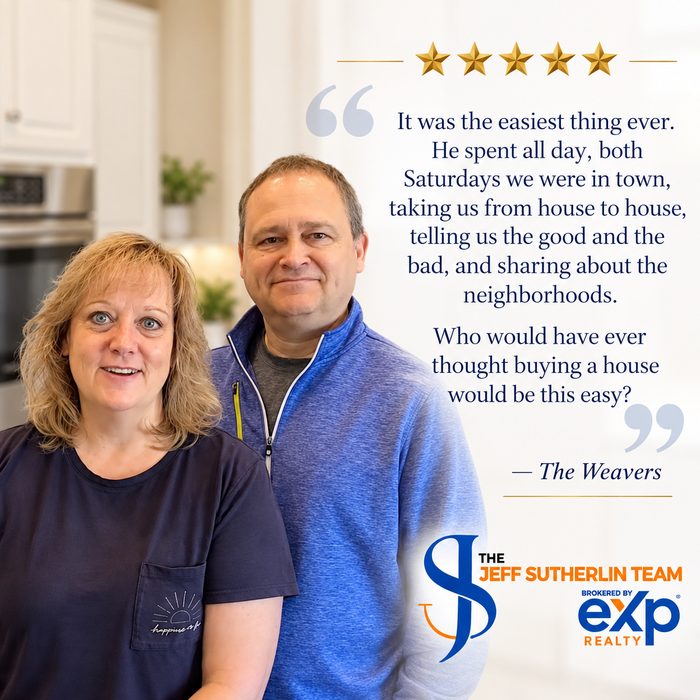
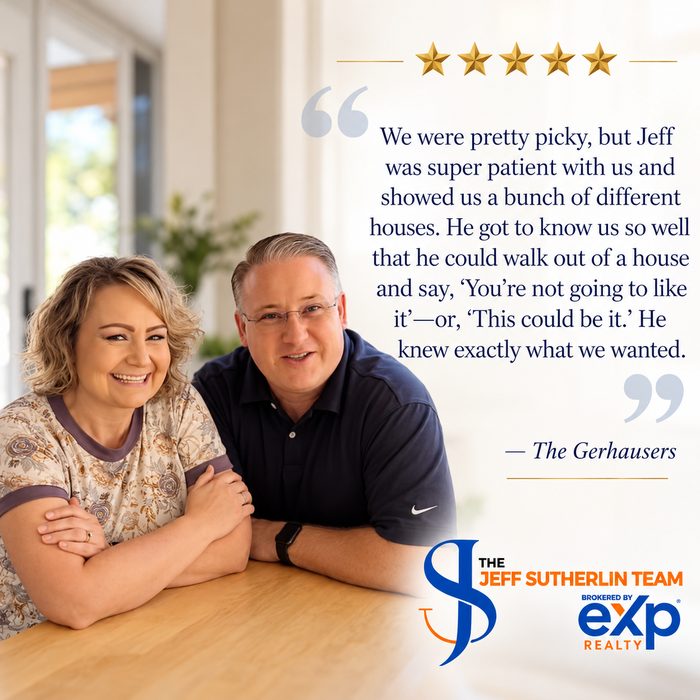
From Jeff’s client testimonial interviews.
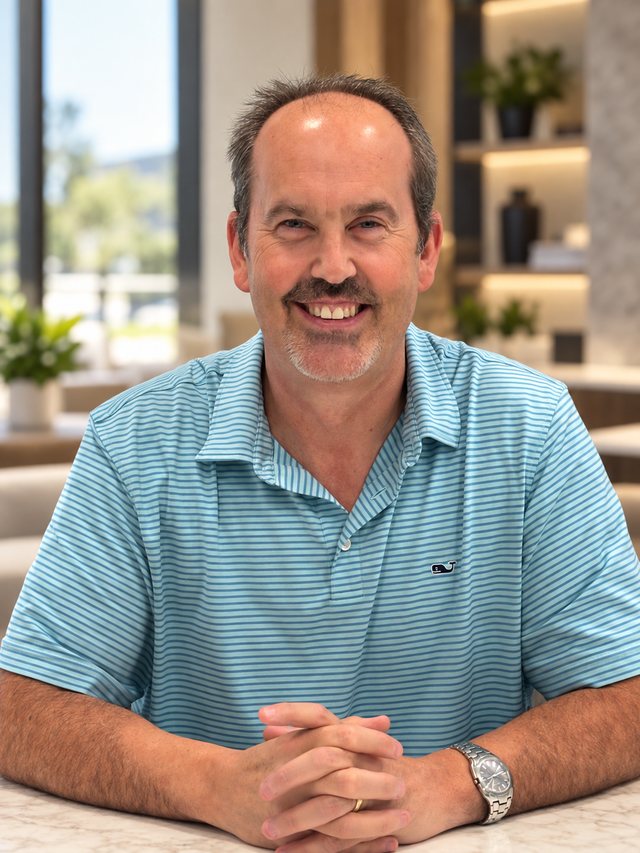
For over 25 years, I’ve had the privilege of helping Arizona families buy, sell, and invest in real estate throughout the Greater Phoenix area. Since beginning my real estate career in 2001, I have successfully guided clients through more than 1,200 residential and commercial real estate transactions across Gilbert, Chandler, Queen Creek, Mesa, Scottsdale, Phoenix, and surrounding communities.
Real estate is one of the largest financial decisions most people will ever make. That’s why I believe my role is much more than helping clients buy or sell a property. My responsibility is to provide expert guidance, clear communication, strong negotiation, and a strategy that helps clients achieve their goals with confidence.
My background is somewhat unique. Before entering real estate, I earned my MBA and spent seven years with Intel Corporation in supply chain management. I am also a U.S. Navy veteran and currently serve as a bi-vocational pastor. These experiences have shaped my commitment to servant leadership, integrity, and putting people first.
Throughout my career, I have worked in nearly every aspect of the real estate industry. I was a top-producing new home sales professional with KB Home, served as a Regional Sales Manager, owned and operated a successful Arizona brokerage, and today serve as an Associate Broker with eXp Realty. In addition, I mentor agents across the country and lead an organization of more than 200 real estate professionals in 15 states.
Whether you’re a first-time homebuyer, relocating to Arizona, purchasing new construction, selling a luxury home, investing in real estate, or exploring commercial opportunities, my team and I are committed to providing a smooth, professional experience from start to finish.
